What is Primary Biliary Cholangitis?

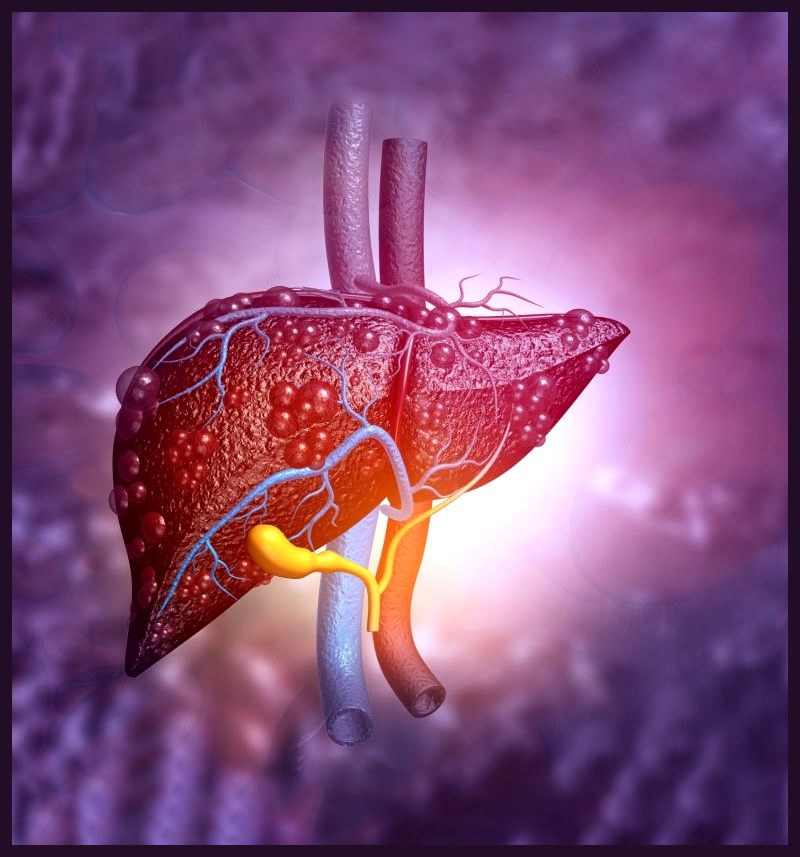
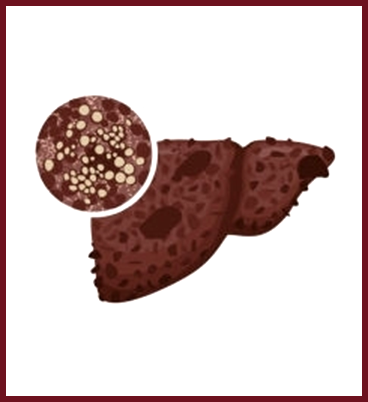
Primary biliary cholangitis (PBC), formerly known as primary biliary cirrhosis, is a chronic disease of the liver, presumably autoimmune in nature, that leads to progressive cholestasis and often end-stage liver disease. The name change reflects the fact that cirrhosis occurs only in the late stage and therefore does not correctly identify patients with early-stage disease.

Signs & Symptoms

Muscle Fatigue

Feeling exhausted is the most common symptom

Itchy Skin

Intense itchiness in any part of the body

Abdominal Pain

Pain or pressure in the liver area

Nausea

Stomach discomfort with an urge to vomit

Poor Appetite

No hunger or interest in food

Weight Loss

Drastic drop in body weight and fat

Dry Eyes or Mouth

Feeling of sand in eyes or drying in mouth

Diarrhea

Loose stools and frequent bowel movement

Different Stages of PBC

Stage 1

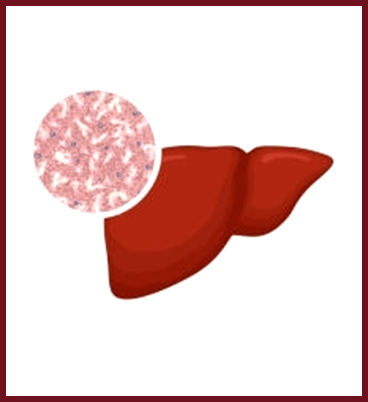
Inflammation and damage to the walls

Stage 2

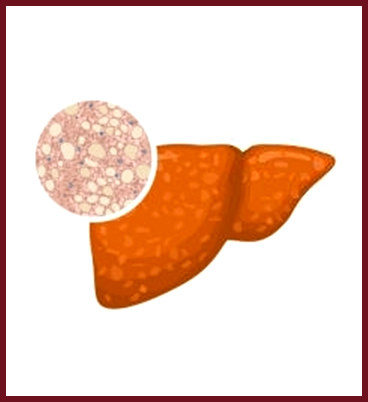
Blockage of the small bile ducts

Stage 3

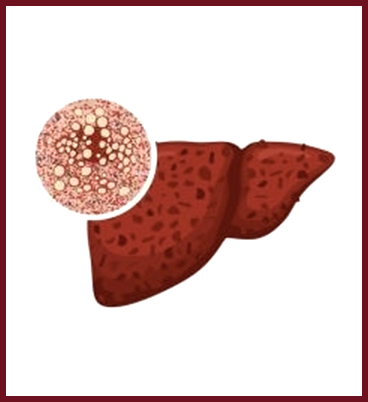
Third stage is beginning of scarring

Stage 4

Cirrhosis and permanent damage to liver

Risk factors for PBC


  • Sex - Most people with PBC are women
  • Age - It is most likely to occur between people who are 30-60 years old
  • Genetic Factors- If you have a family member who has PBC
  • Smokers - Active smokers are likely to develop PBC
  • Chemicals - Exposure to toxic chemicals
  • Prone to infection - by bacteria, fungi or parasites

Complications due to PBC

Liver Scarring

Formation of an abnormally large amount of scar tissue in the liver.

Portal Hypertension

Increased pressure in the portal veins caused by blockage in the blood flow

Splenomegaly

A condition that occurs when the spleen becomes enlarged

Gallstones and Bile Duct Stones

Hardened deposits of cholesterol and bile that form in the gallbladder

Weak Bones

Increased risk of weak, brittle bones that break easily

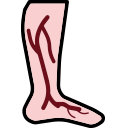
Enlarged Veins

Abnormal sized veins that occur when normal blood flow is blocked

Liver Cancer

Liver scarring (Cirrhosis) increases your risk of liver cancer

Vitamin Deficiencies

Lack of bile affects the digestive system's ability to absorb vitamins like A,D, E & K

Decreased Mental Function

Hepatic Encephalopathy is common and leads to memory & concentration problems